Sustaining national research capability in Scotland, Wales, and the island of Ireland
When
Tuesday 17 November 2026 13:00
Wednesday 18 November 2026 12:00
Where
The Royal Society of Edinburgh
22-26 George St, Edinburgh EH2 2PQ
View directions on Google Maps
Format
In-person
Access
Hearing loop, Wheelchair access, Wheelchair accessible toilets
Cost
Invite only
About
The Celtic Academies Alliance invited participants to reflect on the makeup of a resilient research and innovation system.
Research and innovation policy across these islands is increasingly focused on place, concentration and competitiveness. The three members of the Celtic Academies Alliance – the Royal Society of Edinburgh, the Learned Society of Wales and the Royal Irish Academy – invite you to join us as we come together to explore the following fundamental question:
What does a resilient research and innovation system require when resources are constrained, policy is becoming more place-conscious, and different jurisdictions have different powers, institutions and strategic choices?
This two-day event brought together senior policy, funding and research leaders to explore how our research systems can sustain long term capability amid constrained public funding and changing strategic priorities, while offering a valuable shortcut to meeting counterparts across the island of Ireland, Wales and Scotland. This will be a focused, comparative working event rather than a conventional conference.
Event type
Contributors

Dr Cat Ball
Deputy Director for Research, Innovation & Capital, Scottish Funding CouncilCat is Deputy Director for Research, Innovation & Capital at the Scottish Funding Council (SFC), Scotland’s tertiary education and research authority and the body that funds excellent research and supports knowledge exchange in universities in Scotland. Her previous roles include Head of Policy at the Association of Medical Research Charities, the UK’s membership body for health and medical research charities, and research policy roles in the House of Lords, the Department of Health & Social Care and Learned Societies.

Martin Boyle
Principal, The Open University in ScotlandMartin took up the post of Principal of the Open University in Scotland in April 2025, following nine months as the OU in Scotland’s Depute Director (Strategy, Planning and Resources).
Working from the OU in Scotland’s headquarters in Edinburgh, Martin leads as head of the organisation in Scotland, while also being a member of the wider OU’s Executive team. He also sits on the Main Committee of Universities Scotland and represents the interests of our students and the university to the Scottish Government and Scottish Funding Council.
Before joining the OU in Scotland, Martin was Executive Director of the Glasgow Colleges’ Regional Board, serving as accountable officer for the strategic planning, funding and monitoring of the Glasgow college system. He has also worked in education with a senior role at SQA, as a Creative Industries faculty head in a Scottish college, Education Scotland associate assessor, and senior lecturer in media and journalism. This followed time as a journalist across print, broadcasting and online.
Martin holds degrees across education, journalism and English from Cambridge, Glasgow, Strathclyde and Dundee universities and has held board roles as a director of both Kilmarnock Football Club and the Killie Trust.
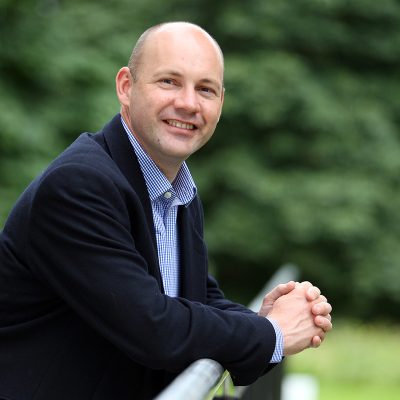
Professor Mark Brandon MBE
Pro-Vice-Chancellor, Research & Innovation, The Open UniversityMark is the Pro-Vice-Chancellor for Research and Innovation with senior responsibility for strategic leadership and implementation of the institutional plans for research and scholarship. This includes the University’s submissions to the UK-wide Research Excellence Framework (REF) and institutional approach to knowledge exchange and expansion of entrepreneurial activities.
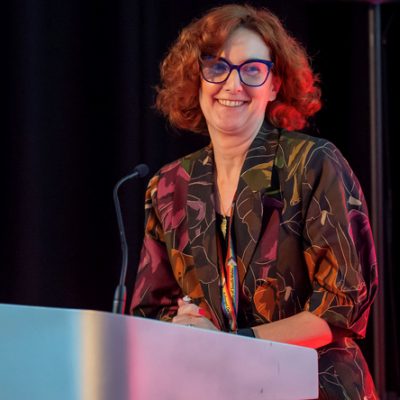
Professor Louise Bright FLSW
Chief Commercial Officer, University of South WalesProfessor Louise Bright is Chief Commercial Officer at the University of South Wales, leading its commercial, enterprise and civic engagement portfolio. She chairs the South Wales Civic Engagement Partnership, uniting every university and college in the region, and with Newport City Council is leading the Newport Commitment, a place-based partnership aligning young people’s aspirations with local opportunity. She sits on Cardiff Capital Region’s Regional Growth Board and the CBI Wales Board, and oversees USW’s Startup Stiwdio, ranked first in Wales for graduate start-ups. A Fellow of the Learned Society of Wales, she was formerly Associate Director for Wales at the Leadership Foundation for Higher Education.
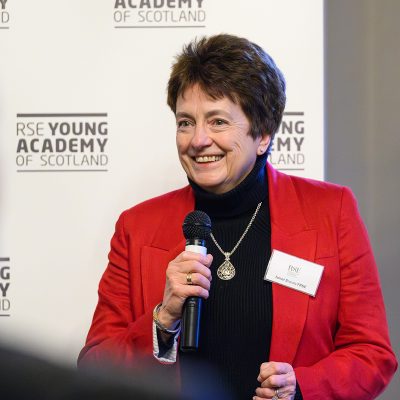
Dr Janet Brown FRSE
Vice-President Education, Royal Society of EdinburghDr Janet Brown has held influential roles within Scottish Education; as Chief Examining Officer and Chief Executive of the SQA. This experience gives her a unique overview across the sector — in schools, colleges, universities and in-work training provision. She is currently the RSE Vice President for Education and Education Committee Convener. She spent 20 years in the US working in the semiconductor industry, initially as a materials scientist before moving into technical, operational and business management. She came to Scotland in 2000 to work in economic development.
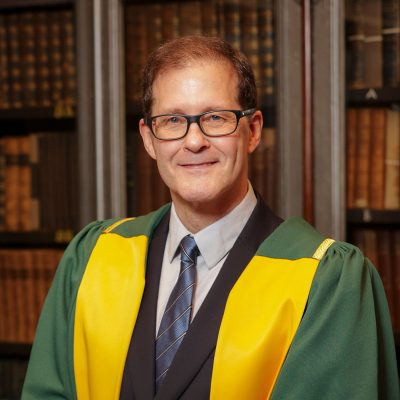
Professor Daniel Carey PRIA
President, Royal Irish AcademyDaniel Carey is President of the Royal Irish Academy and Established Professor of English at the University of Galway, where he served as Director of the Moore Institute from 2014-23. He is Vice-Chair of HERA (Humanities in the European Research Area), was Chair of the Irish Research Council 2022-24, and was Chair of the Irish Humanities Alliance 2014-16.
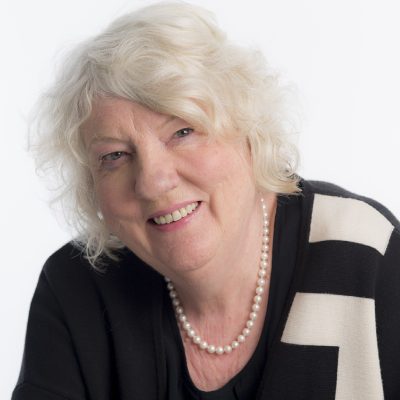
Professor Dame Elan Closs Stephens CBE FRSA PLSW DBE
President, Learned Society of WalesDame Elan was born in Gwynedd and is one of Wales’ most distinguished public servants, with vast experience within the media, politics and higher education. She was elected as the Learned Society of Wales’s first female President in 2026. Among her many roles, she is currently the Electoral Commissioner for Wales, was interim Chair of the BBC between 2023 – 2024 and is Emerita Professor of Communications and Creative Industries at Aberystwyth University, where she is also Pro-Chancellor. She was elected as the Learned Society of Wales’s first female President in 2026.

Dr Lewis Dean
Assistant Director and Head of Wales Innovation Network, Universities WalesLewis Dean is Assistant Director at Universities Wales, where he leads the Wales Innovation Network (WIN). WIN is a partnership of all Welsh universities driving research and innovation to support economic and societal prosperity. WIN fosters partnerships to drive investment into Wales, and to address local and global challenges through innovation. A cognitive scientist by training, Lewis has fifteen years of experience working for funders, universities and professional societies on topics across research and innovation policy.
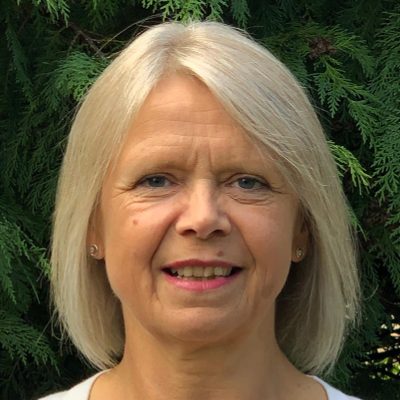
Professor Helen Griffiths FRSB FLSW
Professor Emerita, Swansea UniversityHelen Griffiths became Professor Emerita at Swansea University in April 2026 following almost six years as Pro Vice-Chancellor for Research and Innovation. She was honoured to be elected a Fellow of the Learned Society of Wales in 2021 and a Fellow of the Royal Society of Biology in 2011, and to receive prizes for research from the Glenn Foundation (2014), Aston University (2009), and the Catherine Pasquier Prize for Free Radical Research, SFRR-Europe (2004).
Helen has previously been an academic faculty member at Birmingham University, Leicester University, Aston University, and the University of Surrey, and was privileged to serve in several leadership roles, including as PVC International at Aston University and Executive Dean of the Faculty of Health and Medical Sciences at the University of Surrey. She founded the Aston Research Centre for Healthy Ageing in 2009 and served as Chair of the British Society for Research on Ageing from 2013–16. She was Secretary of the Executive Board of the Society for Free Radical Research (2008–2012) and a member of the SFRR-E Council between 2012 and 2016. Helen was a member of the UK REF2021 Unit of Assessment Subpanel 3 and will serve again as a Subpanel 3 member for REF2029. Until April 2026, she was a Board member of the Wales Innovation Network and the JISC Research Advisory Board.
Helen has been privileged to supervise more than 30 research students to successful completion and has published over 200 academic papers. Her research has focused on increasing understanding of the roles of reactive oxygen species in health, and in inflammatory and degenerative diseases associated with ageing.
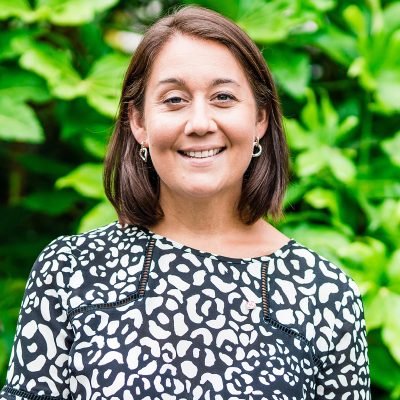
Olivia Harrison
Chief Executive, Learned Society of WalesOlivia is the Chief Executive of the Learned Society of Wales. She has overall responsibility for the running of the Society, manages the LSW staff team and ensures the delivery the society’s strategic plan by coordinating with and reporting to Council. Olivia joined the Learned Society of Wales in February 2022, coming from her role as Head of Research, Innovation and Engagement at the Higher Education Funding Council for Wales (HEFCW).
Olivia originally worked as a chartered structural engineer before moving into higher education policy in Wales. Starting in public affairs at Universities Wales and moving into research policy, Olivia rapidly became recognised as an expert in research and innovation policy on the UK higher education stage. In her role at HEFCW she oversaw the allocation of approximately £100m core funding to Welsh universities for research and innovation. She also led the development of HEFCW’s ‘Research and Innovation: The Vision for Wales’.
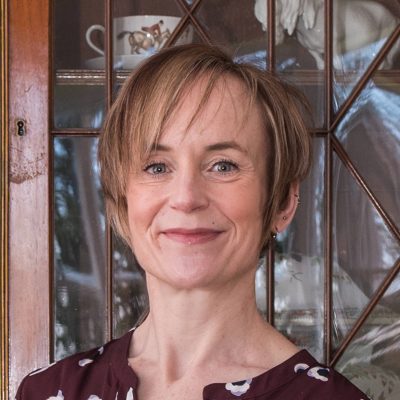
Lesley Jackson
Deputy Director, Universities ScotlandLesley joined Universities Scotland as Deputy Director in June 2024. She leads US’ policy work on a wide range of subjects, including internationalisation, research, innovation, healthcare, and sector funding.
Lesley’s professional background is in policy development and delivery, particularly in the field of economic development. She co-wrote the first Sheffield City Region Growth Deal in 2013, and later led the Scottish Government’s contribution to, and oversight of, the £3 billion Scottish City Region and Growth Deal programme. She has held a range of roles across local government, central government, and Scottish Enterprise.

Dr Audrey MacDougall FAcSS
Chief Social Researcher, Scottish GovernmentDr Audrey MacDougall is a senior civil servant and social researcher in the Scottish Government, serving as Chief Social Researcher and holding senior leadership responsibilities within the government’s analytical services.
The Chief Social Researcher is responsible for the provision of a high-quality research service to the Scottish Government. This includes promoting the use of social research as an integral part of the policy process, academic engagement and representing the profession on various internal and external boards and advisory groups. Internally Audrey leads on the recruitment and professional development of social researchers; developing codes of practice and protocols for social research in the Scottish Government; the format and quality of research products and innovation and creativity in approaches and methods.
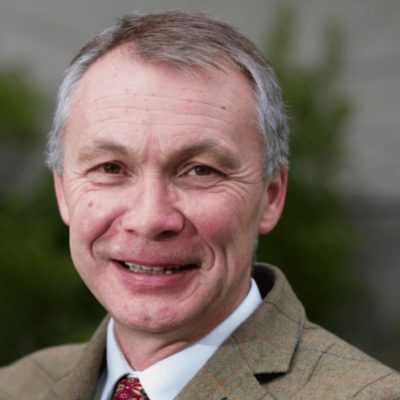
Professor Malcolm (Mac) MacLachlan MRIA
Professor of Psychology, Maynooth UniversityMac MacLachlan is Professor of Psychology & Social Inclusion & Co-Director, Assisting Living & Learning (ALL) Institute, Maynooth University, Ireland. Previous academic appointments include Professor of Global Health at Trinity College Dublin; and Head of the Department of Psychology at the University of Malawi; visiting professorships at Stellenbosch and Harvard, and currently at Olomouc and Cape Town. He has been Clinical Lead for Disability Services in Ireland, Research & Innovation Lead for WHO’s Global Cooperation on Assistive Technology programme, and Knowledge Management Lead for the United Nations Partnership for the Rights of People with Disability. He is a fellow of various professional bodies, a Member of the Royal Irish Academy, and recipient of its Gold Medal for Social Science. He was PI on the recently completed EC funded SHAPES project, working across 14 countries with 300+ staff, on smart and healthy ageing. By happenstance, he has graduated from universities in Wales, Scotland and Ireland.
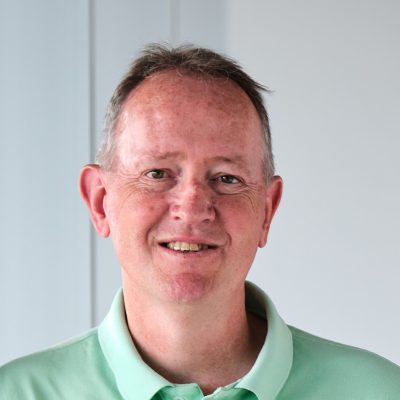
Paul Matthews FLSW
Chief Executive, Monmouthshire County CouncilPaul Matthews has served as Chief Executive of Monmouthshire County Council since May 2009, when he became the youngest Chief Executive in Wales. He has led the organisation through significant change, championing innovation, fairness and flexibility while preparing the council for the opportunities and challenges ahead.
Before joining Monmouthshire, Paul Matthews held several senior roles at Torfaen County Borough Council, including Deputy Chief Executive, Strategic Director of Communities and Deputy Director of Education. He also served in interim statutory officer roles for Education and Social Services.
Alongside his local government leadership, Paul Matthews is Lead Council Chief Executive for the Cardiff Capital Region and serves as a member of its Investment Board. Paul was appointed Chair and Executive Director of CCR Energy in December 2025. Paul is a Visiting Professor in Economic Geography at Cardiff University, a Governor of Cardiff Metropolitan University where he chairs the Governance and Nominations Committee, and a board member of the Wales Centre for Public Policy.
Paul was elected a Fellow of the Learned Society of Wales in 2025 in recognition of his contribution to public service. He is the only Council CEO to be awarded this honour. He also serves on the boards of SOLACE Wales, where he leads the Economy portfolio, SRS Digital Wales and acts as Chief Executive to the Lord Lieutenancy of Gwent.
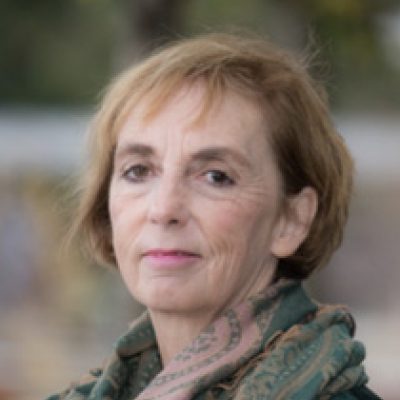
Professor Grace Mulcahy MRIA
Full Professor of Veterinary Microbiology and Parasitology, University College DublinGrace is a former Dean of Veterinary Medicine at UCD and currently serves as Research Integrity Officer and Research Culture Lead for the University. Her research interests include parasitic helminth infections, One Health, and the intersection between research integrity and research culture. She is Chair of the Board of the Agri-Food and Biosciences Institute, Northern Ireland (a non-Departmental body of the Department of Agriculture, Environment and Rural Affairs), and Senior Vice-President of the Royal Irish Academy.
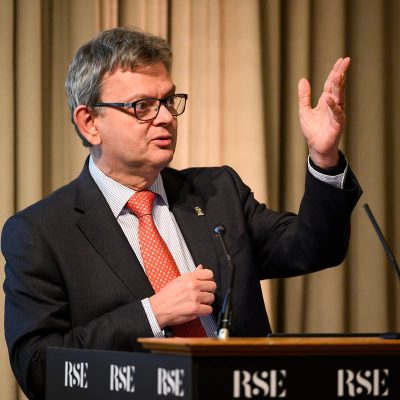
President, Royal Society of Edinburgh and Distinguished Honorary Professor, Adam Smith Business School, University of Glasgow
Distinguished Honorary Professor, Adam Smith Business School, University of Glasgow, University of GlasgowProfessor Sir Anton Muscatelli was Principal and Vice-Chancellor, University of Glasgow between 2009-2016 and from 2007-2009 he was Principal and Vice-Chancellor of Heriot-Watt University. An economist, his research interests are monetary economics, central bank independence, fiscal policy, international trade and finance, and macroeconomics.
Sir Anton is a member of the University Grants Committee, Hong Kong and Chair of its Research Group. He was a Director of the UK Universities Superannuation Scheme (2015-2024), one of the largest private pension funds in the UK. From 2017-2020 he was Chair of the prestigious Russell Group of UK research-intensive universities. He has held numerous UK and Scottish government advisory roles including Chair of the First Minister of Scotland’s Standing Council on Europe, member of the Scottish Government’s Council of Economic Advisers and adviser to the House of Commons Treasury Select Committee. He has also advised the European Commission and the World Bank. He is currently Chair of the Board of Trustees of the Royal Economic Society.
Sir Anton was knighted in 2017 for services to economics and higher education and was awarded the honour of Knight Commander (Commendatore) by the Republic of Italy in 2008. He holds honorary degrees from McGill and Nankai University.
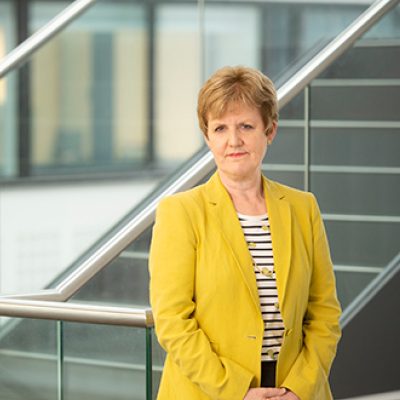
Professor Andrea Nolan FRSE
Professor Emerita, Edinburgh Napier UniversityProfessor Andrea Nolan is professor emerita at Edinburgh Napier University, having formerly held the role of Principal and Vice-Chancellor between 2013 – 2024. Andrea graduated as a veterinary surgeon from Trinity College Dublin, and after a short time in veterinary practice, embarked on an academic career at the University of Glasgow where she established herself as a research leader in the field of animal pain, its pathophysiology, recognition and management. Her senior leadership developed through roles as Dean of the Faculty of Veterinary Medicine, Vice-Principal, and Senior Vice-Principal at the University of Glasgow.
Andrea served as Convenor of Universities Scotland from 2016 to 2020, the International Committee convenor (2020 – 2024) and the Research and Knowledge Exchange committee convenor (2014 – 2016). She has served on a broad range of Boards and groups contributing to the development of Higher Education, Veterinary Science and support for people with learning disabilities. She is a Fellow of the Royal Agricultural Societies, Fellow of the Royal College of Veterinary Surgeons and was awarded an Honorary CBE in 2024 for services to Higher Education.
Andrea graduated from Trinity College Dublin as a veterinary surgeon, and after a short time in general practice, embarked on an academic career. This led to her appointment as a lecturer and then Professor in Veterinary Pharmacology in the University of Glasgow, where she established herself as a research leader in animal pain. Her senior leadership career in Glasgow developed through roles including Dean of the Faculty of Veterinary Medicine and Senior Vice-Principal, before her appointment as Principal and Vice-Chancellor of Edinburgh Napier University in 2013, a role she held until her retirement in 2024. She has served on a range of Boards in the Higher Education and charity sectors and acted as convenor of Universities Scotland (2016 – 2020). Andrea has maintained her connections with the Higher Education sector through ongoing Board and committee roles including Board membership of Trinity College Dublin and the Icelandic Agency for Quality Assurance. She is a Fellow of the Royal Society of Edinburgh and was awarded an Honorary CBE in 2024 for services to Higher Education.
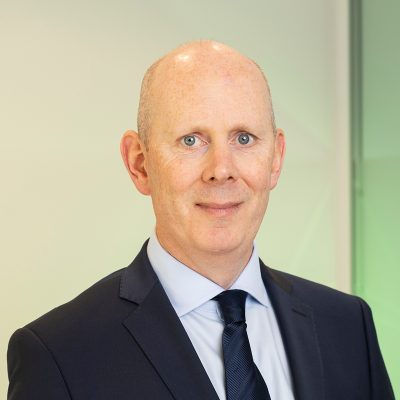
Dr Diarmuid O’Brien
Chief Executive Officer, Research IrelandDr Diarmuid O’Brien is the CEO of Research Ireland which is the primary research and innovation funding agency for Ireland providing investment across all research disciplines.
Prior to this, Diarmuid was the Pro-Vice-Chancellor for Innovation at the University of Cambridge where he was responsible for innovation, enterprise partnership, research commercialisation, entrepreneurship, venture investment and engagement with local and national government on innovation and place. Previously, he was also the Chief Executive of Cambridge Enterprise, the innovation services organisation which supports the University of Cambridge.
During his time at Cambridge, Diarmuid led the creation of a number of initiatives to unlock innovation and offer enhanced support for translational funding and company creation, including Founders at the University of Cambridge and the Technology Investment Fund. He co-founded and Chaired Innovate Cambridge, a highly collaborative initiative defining and delivering an inclusive innovation future for the Cambridge ecosystem.
Previously Diarmuid was Chief Innovation & Enterprise Officer of Trinity College Dublin where he had responsibility for new campus development, innovation and enterprise partnerships. He has held other senior management roles in research centres (CRANN, AMBER) and several university-founded start-up companies, including NTera, Xoliox, and Deerac Fluidics.
Diarmuid was a Research Fellow at Princeton University. He holds a PhD in Physics from the University of Sheffield and a degree in Materials Science from Trinity College Dublin.
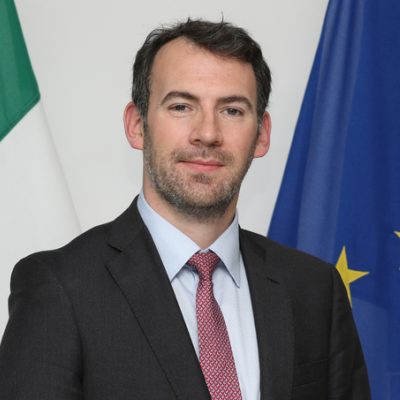
Jerry O’Donovan
Consul General of Ireland in EdinburghJerry is the eighth Consul General of Ireland to Scotland. Prior to taking up duty at the Consulate, he was the Chargé d’affaires of the Irish Embassy to Denmark in 2022 and 2023. He has previously served in Dublin as Head of Press Relations for the Department of Foreign Affairs and began his time in the Department as a desk officer in the Justice & Security unit in the Anglo-Irish Division.
Jerry has also served abroad in Ireland’s Embassies to Norway and Argentina and as the Joint-Head of the British Irish Council Secretariat where he spent three very enjoyable years based in Edinburgh. The Secretariat is staffed by civil servants on secondment from the governments of Ireland, the UK, Scotland, Wales and Northern Ireland.
Jerry is a graduate of UCC where he did a degree in European Commerce & French and has also completed a Masters in Public Administration with the IPA in the Whitaker School of Government and Management at UCD. He is a proud native of West Cork and a sometimes suffering, but always hopeful, fan of Cork GAA and Munster rugby. Jerry is married to Caroline and they have one daughter.
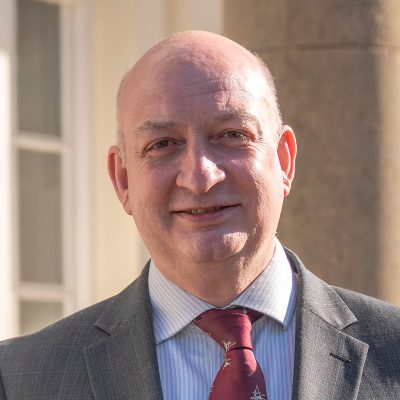
Professor David Phoenix OBE DL FREng FAcSS DSc
Vice-Chancellor, The Open UniversityProfessor David Phoenix is Vice-Chancellor of The Open University, prior to which he was Vice Chancellor of London South Bank University (LSBU) and Chief Executive of the LSBU Group. He has been a Board member of sector wide bodies such as Universities UK where he was the funding policy lead and the National Centre for Universities and Business. He was appointed by the Prime Minister to the Board of the Science Museum Group where he served as Vice Chair.
In addition to research papers, edited collections and research monographs he has provided thought leadership on tertiary education and was a Commissioner for Labours’ Life Long Learning Commission. He was elected to Fellowship of the Academy of Social Sciences and is an Honorary Research Fellow in the Department of Education, University of Oxford and a Visiting Fellow of Kellogg College.
His research into soft matter is multi-disciplinary and has focused on the biomedical potential of amphiphilic molecules leading to the award of a higher doctorate (DSc) by Liverpool University. He has held Visiting Chairs in Russia, China and the UK, including Kings College London, and was elected to Fellowship of the Royal Academy of Engineering.
He holds a number of Honorary degrees and has been awarded Fellowships by the Royal College of Physicians (Edinburgh), The Institution of Engineering and Technology, The Royal Society of Chemistry, The Royal Society of Biology, The Institute of Mathematics and Its Applications and the Royal Society of Medicine. He was awarded an OBE for his work on science and higher education and is a Deputy Lieutenant for Greater London.
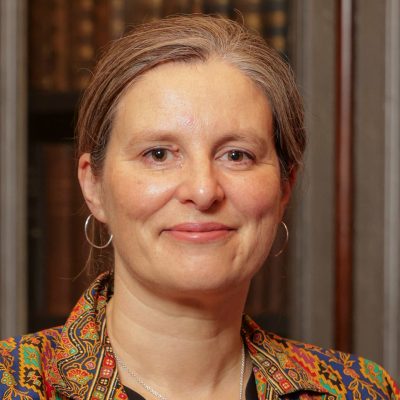
Lynn Scarff
Executive Director, Royal Irish AcademyLynn Scarff is Executive Director of the Royal Irish Academy. She joined the Academy in 2026, having served as Director of the National Museum of Ireland, where she led the organisation through a period of strategic development and organisational change. Her career includes senior leadership roles across cultural and academic institutions, with a strong emphasis on public engagement, accessibility, and organisational capacity.
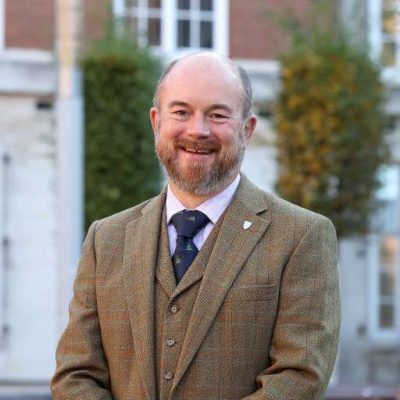
Professor Calum Semple OBE
Chief Scientific Adviser, Scottish GovernmentCalum is the Chief Scientific Adviser (CSA) for Scotland, a secondment that began in August 2025. As CSA Scotland, Calum champions the use of science to inform policy development. He works closely with the Scottish Science Advisory Council, of which he is an ex-officio member, to help ensure that the Scottish Government has access to the best scientific advice to inform its work across all policy areas. The CSA is also a keen advocate, across Scotland and further afield, of our world-leading science base and its potential to benefit our economy, people and environment.
Calum retains his roles as Professor of Outbreak Medicine and Child Health at the University of Liverpool and Consultant in Paediatric Respiratory Medicine at Alder Hey Children’s Hospital, albeit with reduced activity, during his appointment to the Scottish Government.
Raised in Glasgow and Edinburgh, Calum studied Cell Pathology, Immunology, and Virology for his Bachelor’s Tripos before completing a PhD in Clinical Virology at University College London and qualifying in Medicine at Oxford. Calum has led research on HIV/AIDS, Bronchiolitis, Influenza, Ebola, Mpox, COVID-19 and Hepatitis, focusing on disease characterisation and clinical countermeasures. He co-founded the International Severe Acute Respiratory and Emerging Infection Consortium (ISARIC) in 2012 and has received support from the Wellcome Trust, NIHR, and UKRI MRC. His leadership of therapeutic and discovery research in Sierra Leone during the Ebola crisis earned his team the Queen’s Ebola Medal and their work with survivors was recognised by a Commonwealth Association Award.
He has served in key advisory roles during public health emergencies, including the UK Government Pandemic Influenza Clinical Operations Sub-Group for the 2009 Swine Flu pandemic (PICO-SG 2009-10), WHO’s Scientific Technical Advisory Committee for the Ebola Emergency (STAC-EE 2014–17), New and Emerging Respiratory Virus Threat Advisory Group (NERVTAG 2014–23) and UK Government Scientific Advisory Group for Emergencies for COVID-19 (SAGE 2020–22). He was appointed OBE in 2020 and elected Fellow of the Faculty of Public Health by Distinction in 2022.
Outside of work, Calum enjoys family time, walking his dogs, beekeeping, playing the pipes and fly fishing.
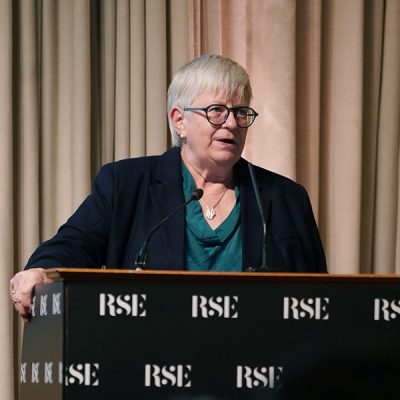
Professor Jo Shaw FRSE
General Secretary, Royal Society of Edinburgh and Salvesen Chair of European Institutions, University of EdinburghGeneral Secretary of the RSE (2025-2029).
Professor Jo Shaw has held the Salvesen Chair of European Institutions at the University of Edinburgh since 2005, following periods at the universities of Leeds and Manchester, where she held a Chair in European Law. Her expertise lies at the intersection of citizenship and constitutionalism, especially in the context of the EU. She held a Leverhulme Major Research Fellowship (2018–2020), during which she studied citizenship regimes in a broader global perspective.
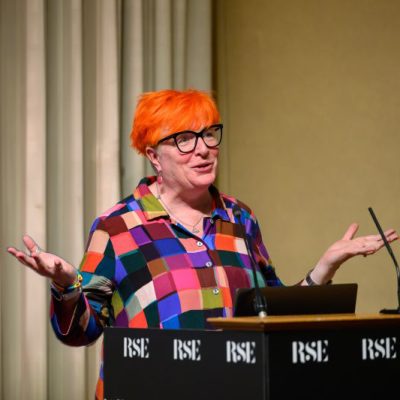
Professor Sarah Skerratt
Chief Executive, Royal Society of EdinburghSarah is Chief Executive of the Royal Society of Edinburgh (RSE), Scotland’s National Academy, and Professor of Rural Society and Policy. She joined the RSE in 2020 and became Chief Executive in 2022. Working collaboratively with the President, Office-Bearers, Council, Fellows and colleagues across the RSE, she supports the delivery of its strategy and the use of the collective expertise to create public benefit across Scotland and internationally.
For more than 30 years, Sarah has researched rural community resilience, disempowerment, poverty and mental health. She has helped shape rural and national policy through robust evidence (particularly the lived experience of communities) and has worked with governments, parliaments, universities, businesses, charities, communities and development agencies in Scotland and internationally. During a two-year secondment to Audit Scotland, she established its Islands Forum. From 2018 to 2026, she served as Scientific Director of the Scottish Consortium for Rural Research.
Sarah is Chair of The Open University in Scotland and a member of The Open University Council. She is also a Board member of the ScottishPower Foundation and Gorebridge Community Development Trust. Her previous charity Board appointments include Scotland’s Rural College, Rural Housing Scotland and Scotland’s Regeneration Forum.

Prof Susan J. Smith PBA FAcSS FRSE
President, British Academy and Honorary Professor (Emerita) of Geography, University of CambridgeSusan is a social and economic geographer, and a specialist in housing studies, who has written on areas as diverse as residential segregation, housing for health and fear of crime. Her most recent funded research has been about housing and economic inequality in the long run, with particular reference to the UK, USA and Australia. Susan is also a Life Fellow, formerly Mistress of Girton College, part of the collegiate University of Cambridge.
Susan J Smith (PBA, FRSE, FAcSs) is President of the British Academy, as well as honorary emerita Professor of Geography at the University of Cambridge. She was formerly the Mistress (head) of Girton College Cambridge, and before that a founding co-director of Durham University’s Institute for Advanced Study. She is experienced in research assessment of all kinds, and an ex officio member of the Government’s Council for Science and Technology. She works in the interdisciplinary field of housing studies, particularly in the UK and Australia, and writes broadly on the topic of housing and economic inequality in the long run. Currently she is working on the reform of residential property taxation.
Contact us
If you have an event enquiry, please email us on public_engagement@theRSE.org.uk.