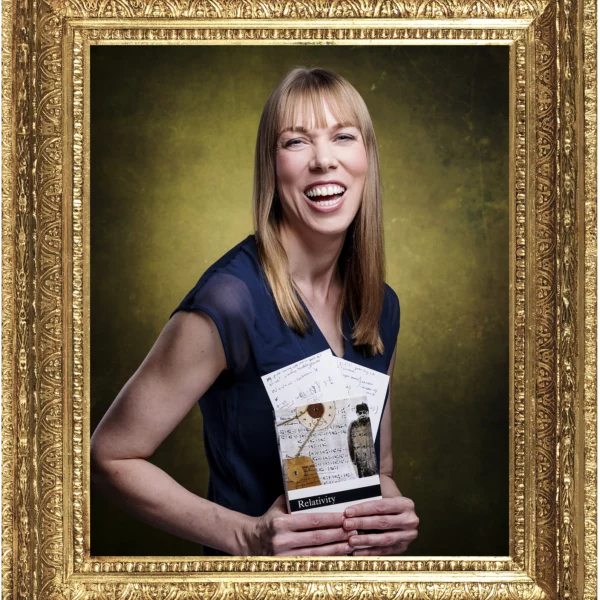
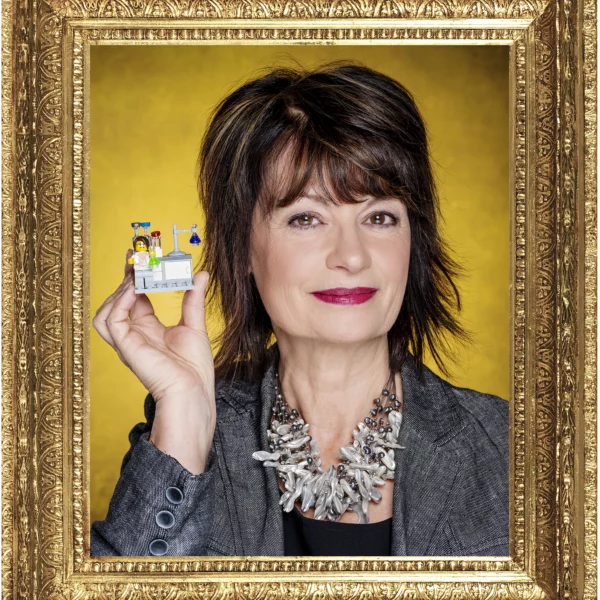
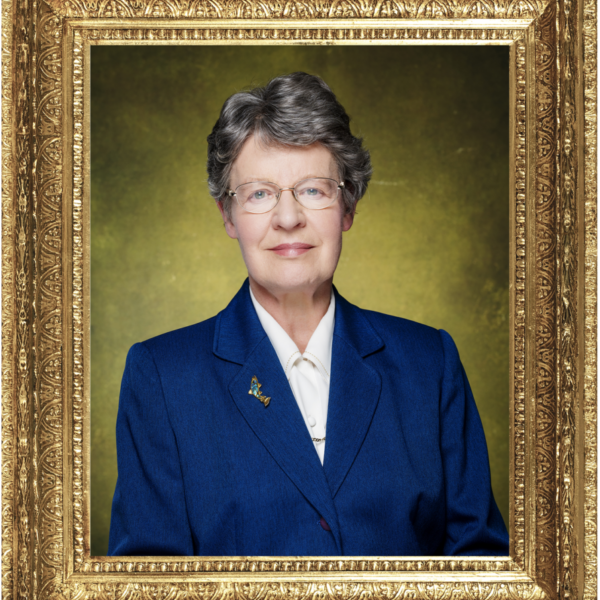
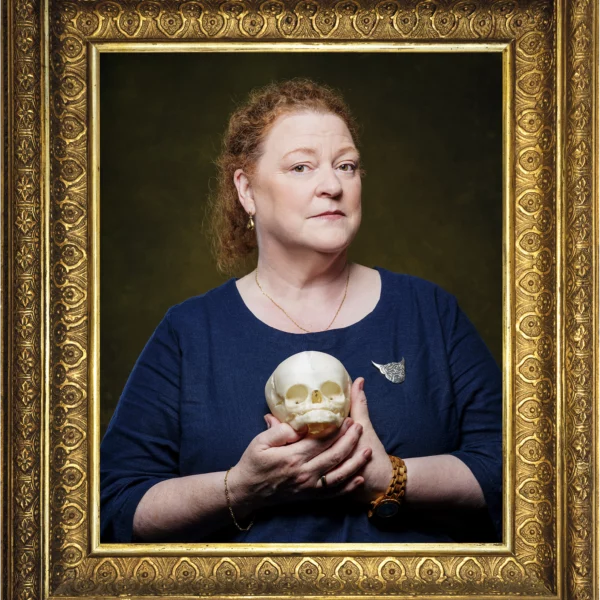
Women in Science in Scotland
An exhibition celebrating some of Scotland’s finest women scientists
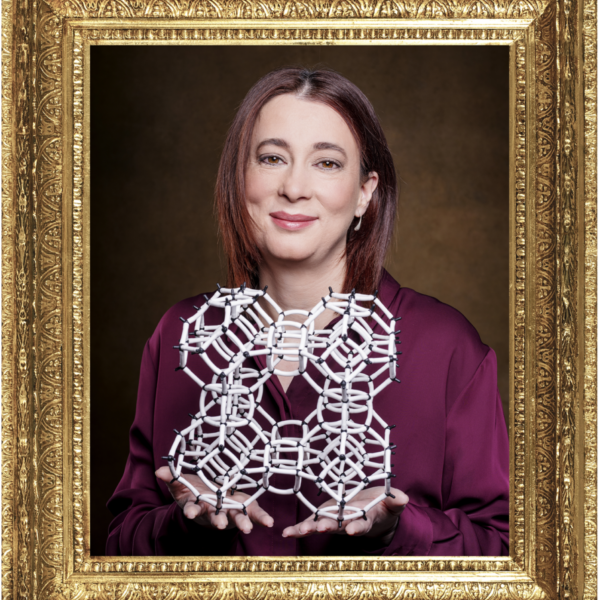
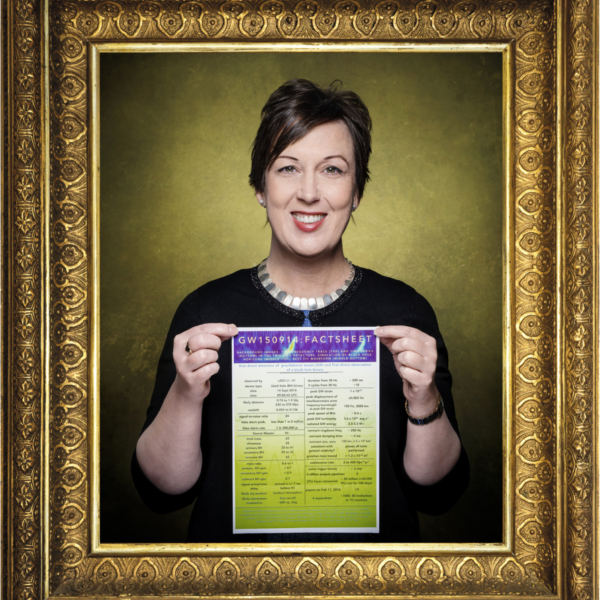
As Scotland’s National Academy, the RSE is proud to number amongst its Fellowship some of the most talented leaders, thinkers and practitioners working in Scotland today.

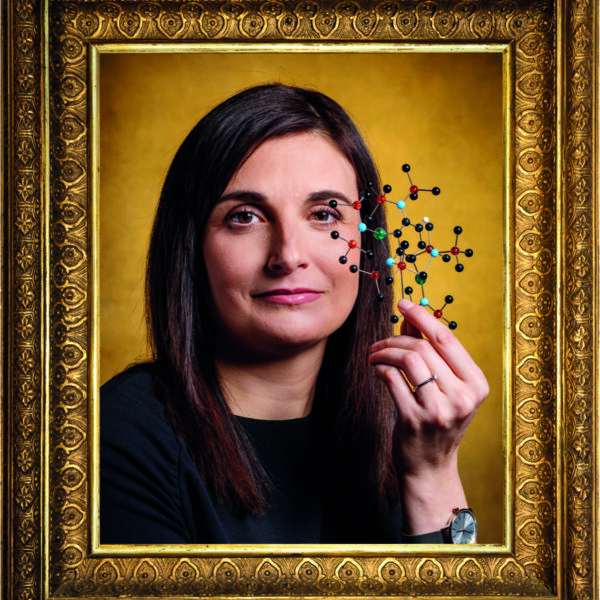
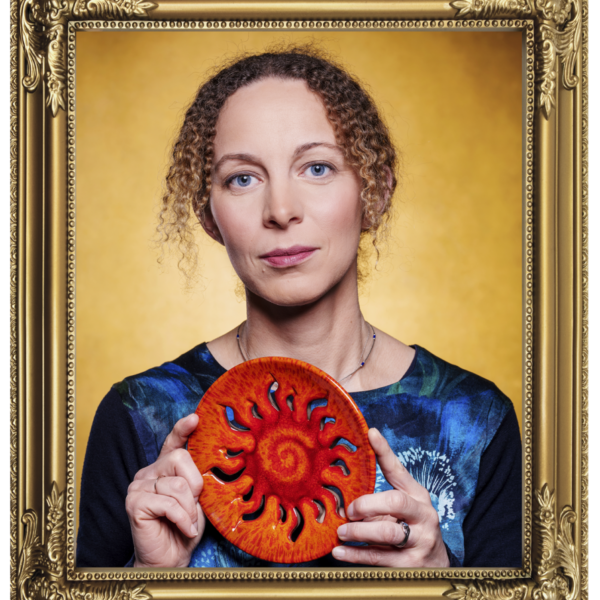
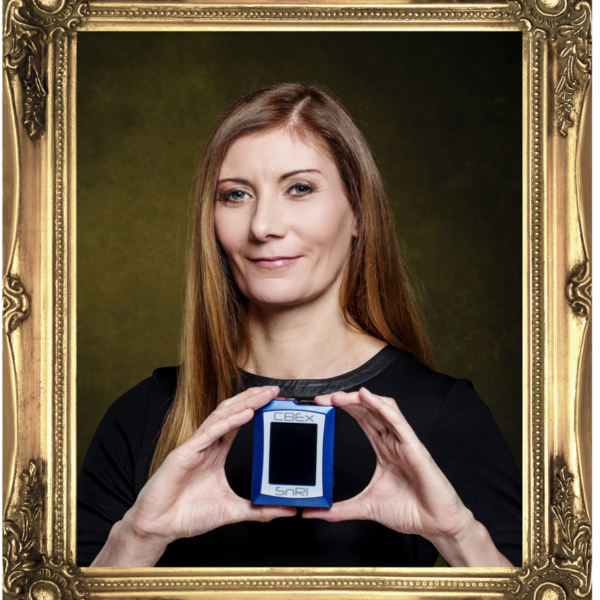
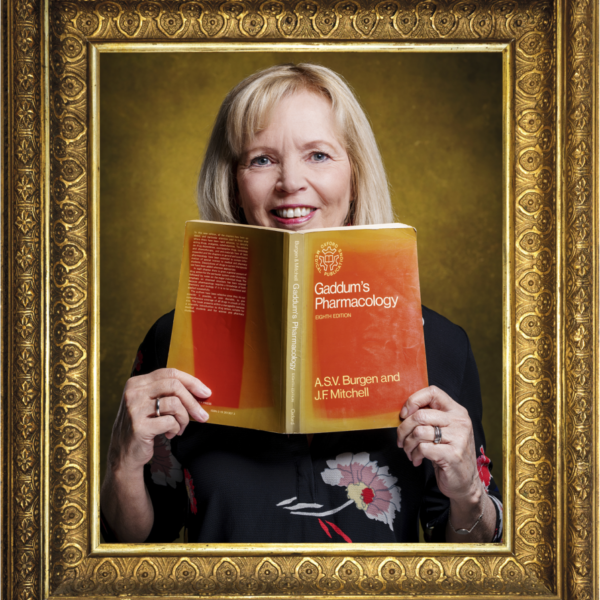
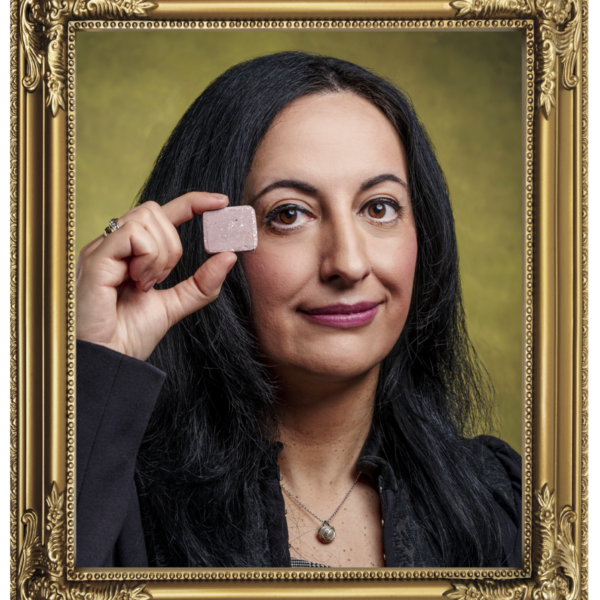
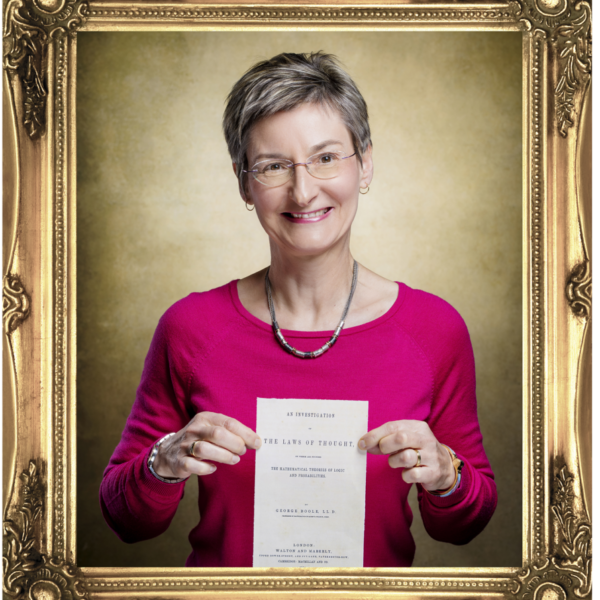
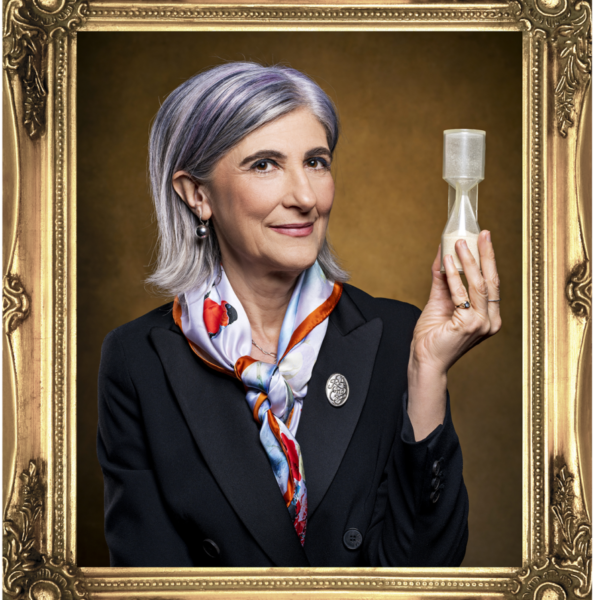
Launched on Tuesday 16 April 2019, the exhibition was displayed in the main reception of the RSE building before moving to Glasgow’s Mitchell Library; it focuses on and celebrates some of the exceptional women scientists within the Fellowship.
Meet Scotland’s women in science
-

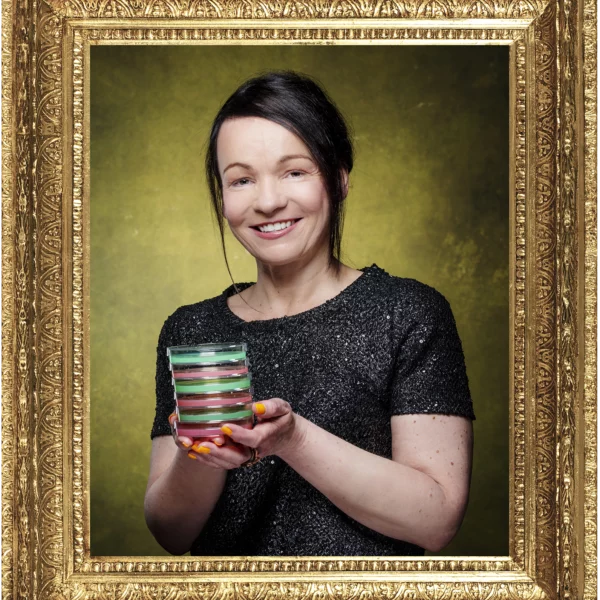
Dr Deborah A. O’Neil
Read MoreI invent and develop new medicines for life-threatening and life-limiting diseases. These are inflammatory, respiratory and infectious diseases caused by bacteria, fungi and also viruses. I am the Chief Executive and Scientific Officer of NovaBiotics Ltd, the company I founded in 2004 in order to research and study the therapeutic potential of these new medicines, […]
-
Dr Silvia Paracchini
Read MoreWhen the time came to choose what to study at university, I was so undecided that one day I simply asked myself what was the single one thing that I enjoyed learning about. The answer was Gregor Mendel’s experiments, considered to be the foundation of genetics science; and so that’s how I ended up enrolling […]
-
Professor Becky Lunn
Read MoreMicrobially induced calcite precipitation (MICP) is a technique that uses a harmless bacterium found in soils to produce the mineral, calcium carbonate. This mineral binds the soil particles together, turning loose soil into rock, and thereby greatly improving its strength. I aim to treat soils without disturbing them so that we can use MICP to […]
-
Professor Cait MacPhee
Read MoreBiological materials are just matter, and matter has to obey the laws of physics. We’re trying to understand the physics of biological systems, to see if we can tease out and predict the behaviour of biological matter on the basis of physics principles. More specifically, I try to understand how biological molecules assemble themselves. My […]
-
Professor Catherine Heymans
Read MoreA Masters in Astrophysics from Edinburgh was closely followed by a Doctorate of Philosophy from Oxford and postdoctoral Fellowships in Germany, Canada and France, returning to Edinburgh to join the Faculty as a European Research Council fellow. I specialise in observing the dark side of our universe, the stuff that we can’t see or touch […]
-
Professor Dame Anna Dominiczak
Read MoreI am a Clinician Scientist – a Scientist and a Doctor. As a third-year medical student in Gdansk, I decided that I wanted to practise medicine but also to bring something new to medicine and therefore learn how to be a scientist and a clinician at the same time. It’s an important combination as I […]
-
Professor Dame Anne Glover
Read MoreWe’ve not yet managed to teleport a person, but we have managed to transport a photon from here to the Gobi Desert and that’s a start. It’s one of the things that made me want to be a scientist. It seemed unbelievable that you could spend your whole life just imagining the impossible, then making […]
-
Professor Dame Jocelyn Bell Burnell
Read MoreGrowing up in Northern Ireland, my parents promised me I could study science when I went to secondary school. When I came home in the first week to tell them that I had been sent to cookery class because I was a girl and only boys were allowed to study science, they hit the roof […]
-
Professor Dame Sue Black
Read MoreIt is challenging for the police to investigate a death if they do not know the name of the deceased. It may be that death has been very recent perhaps in a mass fatality event, or it may be that we are examining nothing more than a handful of bones uncovered by a dog walker […]
-
Professor Eva Hevia
Read MoreWe place special emphasis on the structures of reagents required to access these important molecules, in order to get a better mechanistic understanding that will allow the rational design of future synthetic strategies. The quest for sustainability underpins our research, and some of our most exciting recent work has been geared towards replacing toxic organic […]
-
Professor Hilary Critchley
Read MoreI work in the taboo area of menstrual disorders and these are conditions that have a massive impact on quality of life, particularly to the individual, her family, the workplace and wider society. We still don’t know why women have periods and why menstrual bleeding problems occur. It’s an increasingly prevalent issue because of the […]
-
Professor Ineke DeMoortel
Read MoreI studied Applied Mathematics and Astronomy at the KU Leuven in Belgium and during my final year, I did an Erasmus exchange to St Andrews where I became interested in Solar Physics. I returned to St Andrew’s to do my PhD and still work there, as a Solar Physicist. It is important that we understand […]
-
Professor Karen Faulds
Read MoreRaman involves directing laser light onto a molecule, which results in the light being scattered with a change in wavelength that is related to the structure of the molecules, providing a molecular fingerprint that can be used for definitive identification. However, Raman is a weak process that can be greatly enhanced by absorbing the analyte […]
-
Professor Lesley Yellowlees
Read MoreMy whole academic career has been at the University of Edinburgh. After graduating I worked in Australia, which is where I first got interested in solar energy. I then returned to the University to study for a PhD on how to convert the energy that comes from the sun into electricity, and this has remained […]
-
Professor Louise Heathwaite
Read MoreI’m truly interested in how things work, and I like to work independently, so there was no career for me other than being a researcher. I like science to be useful, and when I started my PhD in the Somerset Levels at West Sedgemoor part of it had just been declared a Site of Special […]
-
Professor Mandy MacLean
Read MoreMy studies took me to the USA and Cambridge. I now carry out research into pulmonary arterial hypertension, which is a disease of the lungs caused by the arteries of the lungs closing down. It is a fatal disease for which there is no cure and it mainly affects women. We are currently looking at […]
-
Professor Mercedes Maroto-Valer
Read MoreMy research focuses on addressing global challenges to ensure the sustainability of resources and energy. I lead an international centre with over 50 researchers working at the interface between science and engineering for the wider deployment of carbon solutions. Working with a large number of industrial and academic partners around the world, our research has […]
-
Professor Muffy Calder
Read MoreComputing science is science, with fundamental laws and principles, and engineering, because we apply those laws to test out ideas and construct new software. A beautiful thing about computing is that you can do it anywhere; you don’t always need a computer. You can think about a program – how to encode an algorithm or […]
-
Professor Niamh Nic Daéid
Read MoreForensic Scientists are obligated to deliver scientifically valid, unbiased and impartial evidence in a way that is communicated and understood by the jury, but Forensic Science is at a crossroads, with little valid science underpinning much of the evidence commonly appearing in our courts. As Director of the Leverhulme Research Centre for Forensic Science, a […]
-
Professor Nicola Stanley-Wall
Read MoreMy work involves studying bacteria. Bacteria are everywhere, but you often need a microscope to see them. Bacteria are typically single cells which form social communities called biofilms. When they are living in a biofilm, they make a sticky matrix and it is this that allows the cells to live together and gives protection from […]
-
Professor Polly Arnold
Read MoreI have always wanted to do something different. When I was younger, I was frustrated that there were so many things about chemistry that I had to memorise, rather than be able to explain from a general understanding of chemical periodicity. As I grew up, I realised that it was because no one could explain […]
-
Professor Raffaella Ocone
Read MoreAs the world population continues to increase so the energy demand is predicted to increase. My work is aimed at the development of technologies for sustainable and clean energy generation at a large scale that will be able to meet the energy demand whilst reducing greenhouse gas emissions. Those technologies include biomass pyrolysis and chemical […]
-
Professor Rona MacKie
Read MoreMy major area of research was the epidemiology and molecular genetics of malignant melanoma. In the 22 years I held the Chair, it grew from a small department to a healthy unit comprising an established Chair, three non-clinical senior lecturers, one clinical senior lecturer, a clinical lecturer and supporting staff. We had excellent links with […]
-
Professor Ruth King
Read MoreMy work involves a combination of different aspects: constructing models to describe the processes that generated the data; applying different computational techniques to fit the models to the data; and ultimately interpreting the results obtained in light of the given application. Some of the particular challenges that I have addressed include, dealing with incomplete data; […]
-
Professor Sharon Ashbrook
Read MoreAs I found I continued to enjoy research, I chose to take a postdoctoral research position, and then was awarded a Royal Society Dorothy Hodgkin Research Fellowship, which I held initially in Cambridge before coming to St Andrews in I was promoted to Reader in 2009 and Professor in 2013. I lead a research group […]
-
Professor Sheila Rowan
Read MoreI wanted to be a scientist, indeed a physicist and more specifically to study the cosmos, since I was quite young – about ten years old. I was hooked by the simple questions that come up when we look up at the night sky and wonder what is out there? How far could you go […]